Cute Mouse Embroidery: A Designer's Practical Review
As a professional designer who has spent years navigating the nuances of machine embroidery, I approach every new machine embroidery design with a critical eye. It is not enough for a file to look good on a screen; it must translate flawlessly into thread on fabric. Today, I am evaluating the Cute Mouse Embroidery design, an Animals themed asset that promises a playful cartoon style. Before you download this embroidery file for your next client order or Etsy listing, let’s break down how it performs in real-world scenarios.
First Impressions: Mood and Visual Personality
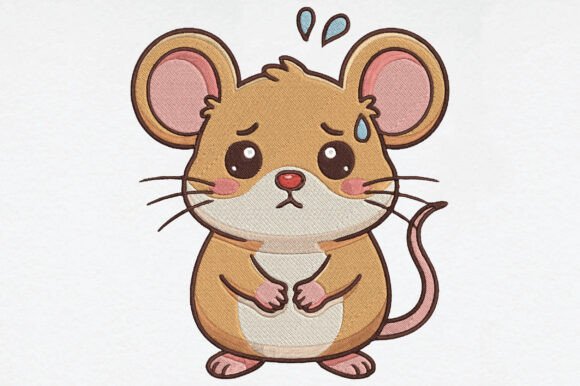
When I first opened the preview for Cute Mouse Embroidery, the immediate reaction was one of warmth. The design leans heavily into a soft, rounded aesthetic typical of high-quality children's illustrations. This is not a realistic rodent study; it is a stylized character designed to evoke joy. The layout is balanced, avoiding awkward negative space that often plagues amateur digital embroidery files. For anyone creating baby embroidery projects or nursery decor, the visual personality here is spot-on. It feels approachable and safe, which is exactly what parents look for when buying personalized gifts for infants.
The level of detail suggests a thoughtful construction. You can see where the designer likely utilized satin stitch for the outlines to give the mouse definition, while reserving fill stitch for the body to create volume without excessive density. This balance is crucial. Too much fill can pucker thin fabrics, while too little makes the design look flat. The Cute Mouse Embroidery seems to strike a middle ground that should work well across various fabric textures.
Real-World Application: From Hoop to Finished Product
To truly understand the value of this design, I imagined using it for a specific project: a custom embroidered tote bag for a local boutique. Tote bags are a staple for small shop products, but they present challenges due to their canvas texture and the need for durability. In this scenario, Cute Mouse Embroidery would serve as the focal point on the front panel. Because the design is cartoonish, it scales reasonably well, meaning it could fit within a standard 5x7 inch hoop without losing its charm.
I also considered using this embroidery project on a cotton sweatshirt for a "back-to-school" collection. Sweatshirts have a fuzzy surface that can sometimes swallow fine details. However, the bold lines of this mouse design suggest it would pop against the fleece. If I were selling these as custom apparel, the playful nature of the mouse would likely increase customer engagement. Parents often seek unique holiday embroidery items or seasonal gear, and a cute animal motif is timeless. It transforms a generic garment into a story-driven piece, adding significant value to the finished product.
For Etsy sellers looking to expand their catalog, this design fits perfectly into the handmade product niche. Imagine a set of matching pillow covers or kitchen towels featuring this mouse. The versatility allows you to create a cohesive brand line. Whether it is a tote bag design or a patch for a denim jacket, the Cute Mouse Embroidery acts as a reliable anchor for your creative vision.
Navigating Challenges: Where Caution is Required
While the design is robust, no embroidery design is universally perfect without adjustments. There are specific situations where you must exercise caution. First, consider the hoop size. If you attempt to shrink this design significantly for a tiny cap or a small baby sock, the stitch density might become too tight, leading to puckering or thread breaks. Always check the minimum recommended size before scaling down.
Fabric choice is another critical factor. On very dark fabrics, the contrast of the mouse's features becomes paramount. If the original thread colors are light pastels, they may disappear against black jersey knit unless you add a backing layer or adjust the color palette. Similarly, on highly textured fabrics like heavy wool or thick terry cloth, the finer details of the mouse's face might get lost in the pile. In these cases, treating it as an applique design concept—where you stabilize the area heavily—could yield better results than direct stitching.
Furthermore, if you plan to use this on stretchy materials like spandex blends, the tension settings will need careful calibration. The Cute Mouse Embroidery relies on clean curves; if the fabric stretches during stitching, those curves can warp, ruining the cartoon aesthetic. Always test on a scrap piece of the actual material first. Do not skip this step, especially for commercial orders where consistency is key to maintaining customer trust.
Practical Notes for Professional Execution
Before committing to a large production run, I recommend running a test stitch on a piece of scrap fabric that matches your final project. Inspect the back of the stitching to ensure there are no loose threads or excessive stabilizer residue. Check the running stitch areas to make sure they are secure and won't unravel after washing.
Review the stitch density closely. If the fill areas look too solid, try reducing the density slightly to allow the fabric to breathe, particularly on lightweight items like tea towels or baby onesies. Conversely, if the design looks sparse, increasing the density or adding a second layer of fill might be necessary for a premium look.
Always confirm the licensing terms. As a commercial embroidery user, you need to know if you are permitted to sell the finished product or if the license restricts you to personal use only. Never assume a free or low-cost file includes commercial rights. Verify this before listing your items on your website or craft fair booth.
Finally, think about your presentation. Create a printable mockup to show potential buyers how the design looks on different garments. Compare how the Cute Mouse Embroidery appears on light versus dark backgrounds. This attention to detail demonstrates professionalism and helps manage client expectations.
Final Verdict: A Valuable Asset for Makers
In conclusion, the Cute Mouse Embroidery is a strong contender for any designer's library. Its playful style and well-constructed details make it ideal for baby items, nursery decor, and fun DIY embroidery projects. While it requires standard care regarding fabric selection and stabilizer usage, it offers excellent potential for boosting the appeal of your craft business offerings.
Whether you are an experienced apparel decorator or a hobbyist making personalized gifts for friends, this design brings a touch of whimsy that resonates well with audiences. By following best practices for testing and stabilization, you can ensure that the final result is as charming in reality as it is in the digital preview. It is a design that earns its place in the Animals category by delivering consistent, high-quality results that stand up to the demands of real-world use.