Coffee and Books Machine Embroidery Review
As a designer who has spent years navigating the delicate balance between artistic vision and machine limitations, I approach every new machine embroidery design with a critical eye. The latest addition to my digital library, Coffee and Books Machine Embroidery, immediately caught my attention for its unique blend of macabre charm and cozy aesthetics. This is not just another spooky motif; it is a character-driven piece that tells a story. The concept of a skeleton enjoying life's simplest pleasures—a steaming cup of coffee and a good book—resonates deeply with the current market trend of "cozy gothic" or "dark academia." However, before I commit this design to a client order or add it to my Etsy shop's seasonal collection, I need to evaluate how it translates from a digital file to a tangible finished product.
First Impressions: Mood and Visual Personality
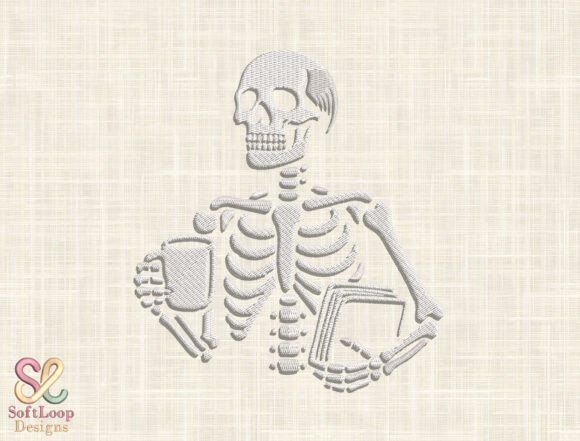
The first thing that strikes me about Coffee and Books Machine Embroidery is the mood it establishes. It avoids the cliché of scary monsters in favor of something relatable and slightly humorous. The layout suggests a balanced composition where the skeleton is the focal point, flanked by the coffee mug and the open book. For an Halloween collection, this offers a refreshing alternative to pumpkins and ghosts. It feels like a design that could easily transition from October into year-round use for book lovers and caffeine addicts alike.
Visually, the detail level appears high. The description notes it is a "detailed piece," which implies a mix of fill stitch for larger areas and potentially running stitch or fine satin stitch for outlines and textures. In my experience, high-detail designs are double-edged swords. They offer incredible realism but demand precise execution. If the stitch density is too tight, the fabric may pucker; if it is too loose, the image will look muddy. I am particularly interested in how the bones are rendered. Are they solid white blocks, or do they have shading? Shading adds depth but increases thread usage and stitching time, which affects pricing for a commercial embroidery project.
Real-World Application: From Hoop to Product
When I imagine using Coffee and Books Machine Embroidery in a real scenario, a heavy cotton canvas tote bag comes to mind immediately. Picture a natural beige tote, perhaps one you sell at a local craft fair or on your online store. Placing this design on the front creates an instant conversation starter. The contrast of dark thread against light fabric would make the skeleton pop, while the warm browns of the coffee and book would ground the image. This specific application highlights the design's potential as a tote bag design that appeals to librarians, teachers, and coffee shop owners.
I also see strong potential for custom apparel. A black sweatshirt with this design stitched in off-white, cream, and rust-colored threads would be a bestseller for the fall season. The texture of a fleece sweatshirt usually absorbs embroidery well, provided the stabilizer is chosen correctly. For a personalized gift, this design works beautifully on a kitchen towel or an apron for someone who loves reading in their morning routine. It transforms a mundane household item into a statement piece that reflects the recipient's personality.
For the Etsy seller or small business owner looking to expand their catalog, this embroidery file offers versatility. It can be sold as a standalone digital download for hobbyists or used to create physical handmade products. The key is understanding the target audience. This isn't a generic holiday decoration; it is a niche product for people who appreciate literature and the darker side of life without wanting anything overtly frightening. That specificity is what drives sales in a crowded marketplace.
Navigating Technical Challenges and Fabric Choices
Despite its appeal, Coffee and Books Machine Embroidery requires careful handling. The detailed nature of the design means it might struggle on very thin or stretchy fabrics. If you attempt to stitch this on a lightweight t-shirt without the proper cutaway stabilizer, the tension from the dense stitching could warp the fabric, ruining the drape of the garment. Similarly, textured fabrics like chenille or thick knits can interfere with the needle placement, causing skipped stitches or uneven coverage.
Another consideration is the hoop size. While the exact dimensions are not listed in the product description, a design with this much detail likely requires a medium to large hoop to maintain clarity. Trying to force it into a small 4x4 inch hoop might compress the details, making the skeleton's features indistinct. Before committing to a final run, I always recommend testing the design on scrap fabric first. Check the thread colors for sufficient contrast against your base material. If the background is dark, ensure the white fill stitches are dense enough to prevent the fabric color from showing through.
Curved surfaces, such as caps or hats, present another challenge. The rigid structure of a cap can distort the flat design, especially around the edges of the book or the handle of the coffee cup. You may need to adjust the pull compensation settings on your machine to account for the curvature. Additionally, if you plan to use this for items that require frequent washing, like towels or baby clothes (though the theme might be less suitable for infants), check the durability of the fill stitch. High-quality thread and proper anchoring are essential to prevent fraying over time.
Design Integrity and Commercial Viability
From a branding perspective, using Coffee and Books Machine Embroidery elevates the perceived value of a product. Customers today are savvy; they can spot low-quality, pixelated transfers from a mile away. A well-executed embroidered patch or direct-to-garment stitch conveys professionalism and care. This design, with its narrative element, fosters a stronger emotional connection with the buyer. It suggests that the maker understands their customer's lifestyle, which builds trust and encourages repeat business.
However, as a professional, I must remind fellow creators to verify licensing terms before selling finished goods. Not all digital embroidery files come with commercial rights. Ensure you have the legal right to produce and sell items featuring this skeleton design. If you are creating printable mockups to showcase the design on your website, make sure the images accurately represent the final result. Lighting and fabric choice in your photos can drastically alter how the stitch density and thread sheen appear to potential buyers.
Final Thoughts for the Creative Entrepreneur
In conclusion, Coffee and Books Machine Embroidery is a standout asset for designers looking to inject personality into their fall collections. It bridges the gap between seasonal decor and everyday utility, making it a versatile tool for the modern crafter. Whether you are decorating a boutique sweatshirt, creating a unique holiday embroidery gift, or stocking up your shop with themed merchandise, this design has the visual weight to stand out.
The key to success lies in preparation. Test your stabilizer choices, refine your thread tensions, and select fabrics that complement the intricate details of the skeleton and his literary companions. By treating this machine embroidery design with the respect it deserves, you can create products that are not only visually stunning but also technically flawless. For those willing to put in the effort, this design offers a fantastic opportunity to connect with a passionate community of readers and coffee lovers, turning a simple stitch pattern into a beloved brand staple.