Baby Duck Embroidery: A Craft Fair Review
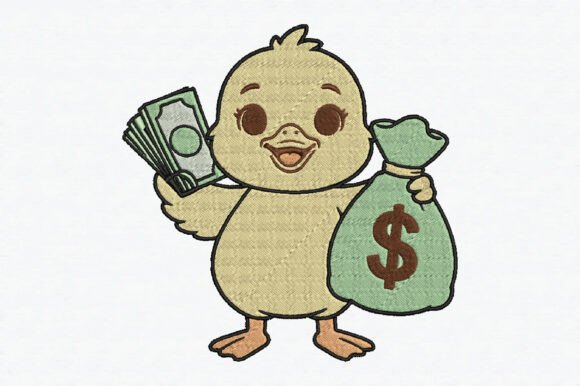
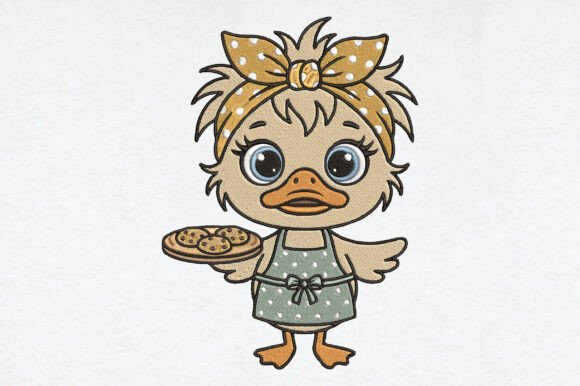
As I set up my table for the upcoming weekend craft fair, I am surrounded by stacks of finished products, from linen tote bags to sturdy cotton aprons. The goal is always the same: create a visual hook that stops a passerby in their tracks. Today, I am reviewing a new machine embroidery design called Baby Duck Embroidery. With its description promising sweetness and charm, featuring a kawaii baby duck wearing a bow and apron while holding cookies, this design targets the Nursery category with precision. But does it translate from a digital file into a best-selling handmade product? Let's dive into the practicalities of turning this Embroidery asset into revenue.
First Impressions: Kawaii Charm Meets Market Appeal
When I first loaded the embroidery file onto my machine, the aesthetic was immediately clear. This is not a rustic or farmhouse-style duck; it is undeniably modern and soft. The combination of a bow, an apron, and cookies creates a narrative of innocence and domestic joy. For a craft fair booth, this level of cuteness is a powerful tool. It appeals directly to parents looking for nursery decor, gift-givers seeking something sweet for a baby shower, and anyone who appreciates the "kawaii" trend.
The design feels decorative yet approachable. Unlike complex floral patterns that can sometimes look too formal, the Baby Duck Embroidery has a playful energy that invites interaction. In a crowded market setting, where customers scan dozens of tables in minutes, this design stands out because it tells a story instantly. It feels like a premium handmade product rather than a generic mass-produced item, which is exactly what we need to justify higher price points at our booths.
Product Versatility: Where Does It Shine?
The true test of any digital embroidery file is its versatility across different substrates. I have tested the Baby Duck Embroidery on several items intended for my display, and the results vary significantly based on the fabric texture and the item's function.
- Tote Bag Design: On a natural canvas tote bag, the Baby Duck Embroidery performs exceptionally well. The neutral background allows the thread colors to pop, making the bow and cookies the focal point. This is a top seller for me as a Etsy seller, as shoppers love reusable bags that double as fashion statements.
- Apron Embroidery: Placing this design on a kitchen apron adds a whimsical touch. Since the duck itself is wearing an apron, there is a delightful meta-narrative here. It works perfectly as a gift for new bakers or young children learning to cook.
- Tea Towel Embroidery: Cotton towels are a staple for craft fairs. However, the looped texture of some terry cloth can be tricky. On flat-woven tea towels, the Baby Duck Embroidery looks crisp and clean. It transforms a utilitarian item into a charming kitchen accent.
- Embroidered Patch: Creating patches from this design is a smart move for inventory management. Patches are lightweight, easy to ship, and allow customers to add the design to denim jackets or backpacks later. The bold outlines of the duck hold up well even when trimmed close.
- Pillow Covers and Caps: For pillow covers, the design serves as a lovely centerpiece for a child's room. On caps, however, the curved surface requires careful placement to ensure the bow and cookies do not get distorted.
Production Realities: Stitch Density and Fabric Texture
While the visual appeal is high, a professional designer must consider the mechanics of production. When preparing for batch production, I noticed a few areas that require attention. The tiny details, such as the cookies held by the duck and the folds in the apron, rely heavily on precise stitch density. If the stabilizer is not strong enough, these small elements can pull through or lose definition.
Fabric texture plays a massive role here. On smooth fabrics like quilting cotton or linen, the Baby Duck Embroidery renders beautifully. However, on thick or highly textured fabrics, the fine lines of the bow might get lost. I always advise checking the hoop size requirements before committing to a large run. If the design is too dense for a specific hoop, you risk puckering the fabric, which ruins the premium look of the finished product.
Furthermore, thread contrast is critical. While the design likely comes with standard color recommendations, testing it on dark fabric is essential. Light-colored threads on dark backgrounds can sometimes appear muddy if the stitch count isn't optimized for coverage. For a craft fair, consistency is key; you want every single item on your table to look identical and flawless.
Selling Strategy: From Booth Display to Online Listings
How does Baby Duck Embroidery perform in a sales environment? In person, the tactile quality of the stitching draws people in. Customers love to touch embroidery to feel the raised texture of the stitches. This design encourages that interaction. To maximize engagement, I recommend creating a dedicated section in your booth labeled "Nursery & Kids," featuring the tote bags, pillows, and patches together. Grouping them creates a stronger visual impact than scattering them individually.
For online sales, particularly on Etsy, photography is everything. The Baby Duck Embroidery photographs well because of its distinct shapes and cute theme. Use printable mockup tools to visualize how the design looks on various products before you sew them. This helps in creating compelling Etsy listings that show potential buyers exactly what they will receive. High-quality photos of the design on a real apron or tea towel can significantly increase conversion rates.
Additionally, consider the brand consistency. If your shop focuses on handmade, high-quality goods, this design fits seamlessly. It elevates the perceived value of the item. A plain white towel sells for $5; a towel with a professionally embroidered Baby Duck design can easily sell for $25 or more. The commercial embroidery aspect allows you to scale this product without sacrificing the handmade feel.
Practical Designer Notes for Success
Before you rush to produce your entire inventory, follow these steps to ensure the Baby Duck Embroidery meets your standards:
- Test on Scrap Fabric: Always run a test on the exact fabric you plan to use. Check for puckering, especially around the dense areas of the apron and bow.
- Review Spacing and Hoop Size: Ensure the design fits comfortably within your hoop without being stretched to the limit. Leave adequate margin for hooping.
- Inspect Stitch Density: Look closely at the cookies and facial features. If they look sparse, you may need to adjust the settings or add a backing layer.
- Use the Right Stabilizer: Do not skimp on stabilizers. A tear-away or cut-away stabilizer appropriate for the fabric weight is crucial for maintaining the integrity of the design.
- Create Real Mockups: Sew at least one sample of each product type to photograph for your marketing materials.
- Confirm Licensing: Double-check the license terms of the embroidery file. Ensure you have the right to sell finished products containing the Baby Duck Embroidery design.
Final Verdict: A Must-Have for Small Shop Products
The Baby Duck Embroidery is a strong contender for any small shop product line focused on kids, nursery items, or cute home goods. Its ability to convey warmth and charm makes it a standout piece for both physical craft fairs and digital storefronts. By paying attention to production details like fabric choice, stabilizer use, and thread contrast, you can turn this design assets into a reliable revenue stream. Whether displayed on a linen tote, a cozy pillow, or a fun patch, this design captures the heart of the customer. It is a reminder that in the world of handmade goods, the little details—like a bow and a cookie—are often what make the biggest difference.